

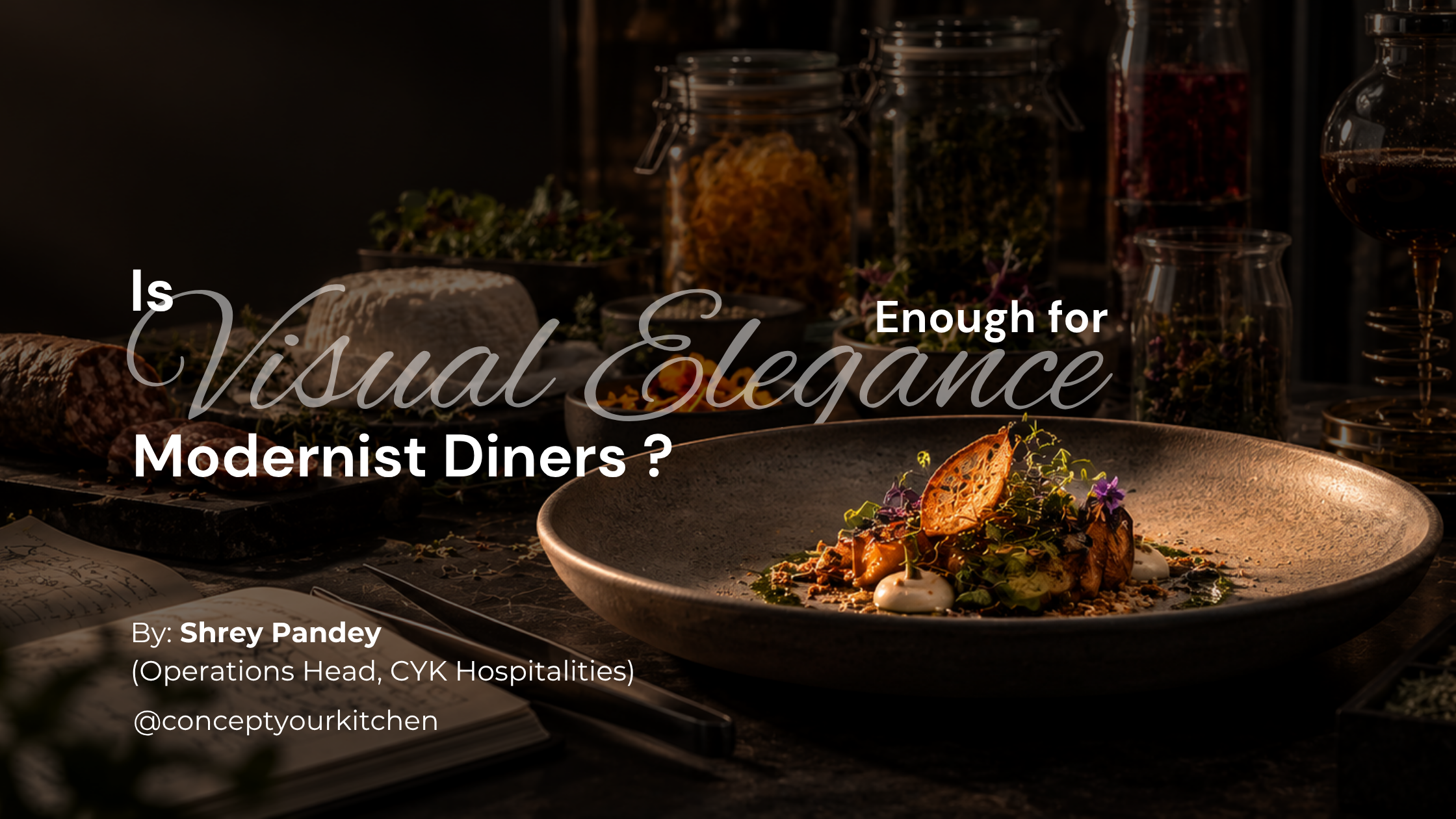
26 Sep Is Visual Elegance Enough for Modernist Diners?
Modern dining is experiencing a quiet, welcome evolution. Guests today arrive with heightened expectations; they want an experience that captivates visually, yet offers real depth on the palate.
Whether it is a multi-layered cold brew mixology creation or a vibrant dish passed through an assembly line, it must never be an afterthought engineered solely for a quick photo; instead, the foundation ought to be the ingredients’ charm & craftsmanship.
Gault & Millau have long championed that true aesthetic beauty on the plate is born from a deep respect for the raw product, and that the Visual charm and flavour integrity are not competing priorities, but instead dependent on each other.
Consider the rich & natural tone of an in-house crafted artisan sausage, the delicate texture of fresh cultured cheese prepared in the morning, or the clear, distinct layers of a botanical coffee infusion.
None of these elements require artificial embellishments to hold attention; their appeal is intrinsic.
Building a defensible hospitality brand today actually means stepping away from template menus. The generic avocado toast or standard off-the-shelf coffee bar setup no longer secures long-term loyalty. Sustainable distinction comes from empirical, research-led culinary development, applying classical global techniques to fresh, locally sourced produce.
World Economic Forum (WEF) Strategic Intelligence platform on global food systems underscores the importance of localised processing, supply chain resilience, and operational efficiency. When a venue shifts from assembling bought-in, processed inputs to mastering batch-prepared foundational elements, live service actually becomes far simpler and faster.
Cross-Pollination and Back-of-House R&D approach draws directly from pioneering institutions like the Nordic Food Lab, where menu creation is treated as a thoughtful, rigorous science.
The R&D has to be structured with core menu foundations like evolving standard espresso lines into signature cold-extraction infusions and house-crafted botanical syrups; replacing powders on the shelf with dehydrated herb blends, fermented garums, and small-batch roasted spice rubs.
The CYK Perspective
A successful venue can never be built on a copy-paste blueprint, nor should it ever be treated as a routine transaction to be ticked off the list. Lasting commercial strength and brand equity come from treating every single concept as a unique, living ecosystem. When visual appeal is the natural expression of genuine craft, and when rigorous culinary R&D fuels a smooth operational line, a brand achieves something far beyond temporary hype – it establishes a defensible, highly profitable legacy.
“Cross-Continental Technique with Ingredients’ Charm & Clean-Label Craftsmanship turns a Plate into a Moment of Truth”
Frequently Asked Questions
1. Is visual presentation enough to create a successful modern dining experience?
No. Visual presentation may create the first impression, but long-term guest loyalty depends on flavour, ingredient quality, consistency and the overall experience. Visual appeal becomes more meaningful when it is a natural expression of the food rather than decoration created solely for social media.
2. Why is culinary R&D important for modern hospitality brands?
Culinary R&D allows brands to move beyond standardised or template-driven menus. It creates opportunities to develop signature preparations, unique flavour profiles and better use of ingredients while also improving consistency and operational efficiency.
3. What does clean-label craftsmanship mean in modern dining?
Clean-label craftsmanship focuses on understanding and showcasing ingredients through techniques such as fermentation, dehydration, infusion, curing and small-batch preparation rather than relying heavily on processed or ready-made inputs. The objective is to allow the ingredient and the technique to contribute meaningfully to the final experience.
4. How can culinary innovation improve restaurant operations?
Innovation does not necessarily have to make operations more complicated. When foundational elements such as syrups, spice blends, fermented components or prepared bases are developed systematically in the back of house, service can become more consistent, controlled and efficient.
5. How can restaurants create differentiation in a competitive market?
Sustainable differentiation comes from developing a distinct culinary identity rather than simply following popular menu formats. Research-led menu development, locally sourced ingredients, global techniques and consistent execution can help a hospitality brand build an identity that is difficult to replicate.
6. Can high-craft gastronomy be commercially scalable?
Yes, when culinary creativity is supported by structured R&D and operational systems. The challenge is not simply creating an exceptional dish, but developing recipes, processes and preparation methods that can consistently deliver the intended experience during live service.
7. What is the CYK approach to hospitality concept development?
The CYK approach views each hospitality concept as a distinct ecosystem rather than applying a copy-paste blueprint. Culinary development, operational practicality, ingredient selection and brand identity need to work together so that creativity translates into a commercially viable and consistent guest experience.
No Comments